Lead paint in older New Orleans homes is a real possibility in any house built before 1978, often hidden under newer coats. The first step is testing, not scraping or sanding. Federal rules require most paid work disturbing paint in pre-1978 housing to be done by an EPA lead-safe certified firm. Intact, sealed paint is generally left alone, while chipping, peeling, or chalking surfaces need professional evaluation first.
Older New Orleans houses hold a lot of history, and some of it sits in the paint layers. If your home went up before 1978, lead-based paint may be buried under the coats added since.
That does not automatically call for removal, since sealed and intact surfaces are generally left in place. At Big Easy Painters, we work on pre-1978 homes across the city and know how carefully older surfaces must be handled.
What you do first matters most, because the wrong opening move turns a routine repaint into a much bigger job. Contact us today to have your older home’s paint condition looked at before any surface work begins.
Why Do Older New Orleans Homes Still Have Lead Paint?
Lead paint is house paint made with lead compounds, used for decades because it helped a finish hold color, resist moisture, and wear slowly. Federal rules banned it for residential use in 1978, and that year drives every regulation since.
Much of the city’s housing predates that cutoff. Shotguns, doubles, creole cottages, and early bungalows were painted long before the ban, and later owners painted over what was there.
That layering is why lead paint stays hidden. A wall can carry several newer coats, look ordinary, and still have lead at the bottom.
When Does Lead Paint in an Older Home Become an Urgent Problem?
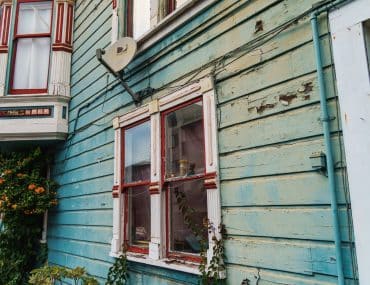
Intact, sealed lead paint is generally left undisturbed. The risk starts when the surface breaks down, or when someone disturbs it with a scraper, sander, or pressure washer.
What You Notice
What to Do Next
Paint is smooth, sealed, and shows no chipping
Leave it alone and recheck during your seasonal walk-around.
Small flakes or chips collecting on sills, floors, or soil
Stop dry-sweeping the debris and arrange a lead test before any repair.
Peeling in wide sheets on siding, porch columns, or eaves
Have it tested, then get a written scope from a certified firm.
Chalky residue that rubs off on your hand
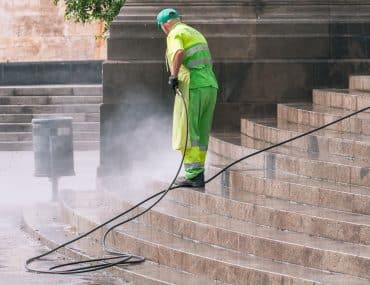
Do not pressure wash it. Test first and let the crew set the prep.
Bare worn spots on window sashes, door edges, or stair treads
Treat these as priority areas, since friction points wear fastest.
Anyone plans to sand, scrape, or heat-strip a pre-1978 surface
Pause the job and confirm the firm holds EPA lead-safe certification.
How Do You Test for Lead Paint in an Older New Orleans Home?
You cannot identify lead paint by looking at it, so lead paint testing is the only way to know for certain. Before a test, the build year is the strongest clue you have.
Two testing routes exist. A certified lead inspector or risk assessor surveys the house surface by surface, while swab kits give a rough yes-or-no on one spot without documentation a contractor can use.
If the house predates 1978 and no test exists, assume lead is present. That keeps later decisions safe.
Surfaces worth testing first:
Window sashes and sills: friction points that wear fastest
Door frames and thresholds: constant contact, constant rubbing
Porch floors, columns, and railings: exposed to weather
Stair treads and handrails: high-traffic interior wear
Original baseboards and trim: often the oldest coats in the house
How Does an EPA Lead-Safe Certified Painting Firm Handle a Repaint?
Paid work that disturbs paint in pre-1978 housing or a child-occupied facility has to be performed by an EPA lead-safe certified firm using certified renovators. A narrow exemption covers minor repairs of six square feet or less indoors per room, or twenty square feet or less outdoors, though window replacement never qualifies for it.
Containment and Work Area Setup
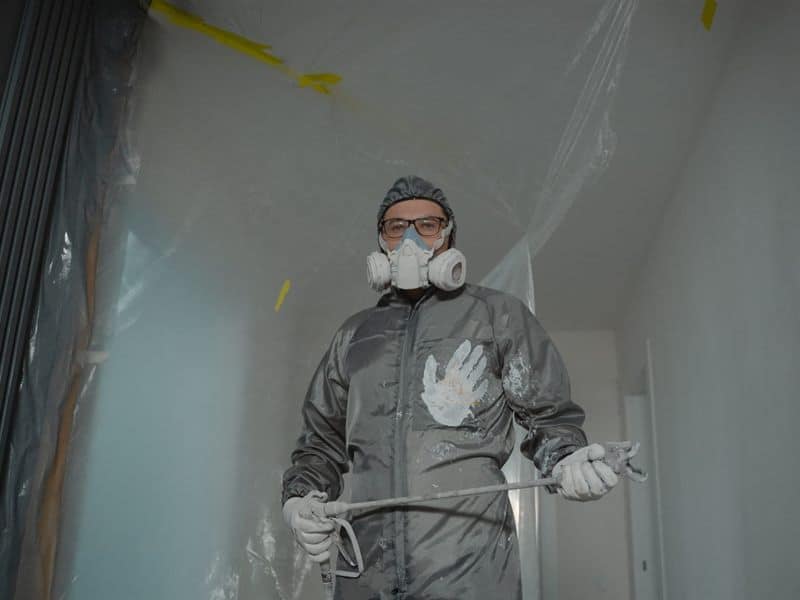
Before any surface is touched, the work area is sealed off from the rest of the house. Plastic sheeting covers floors and furnishings, doorways are closed off, and exterior work gets ground cover extending past the wall line.
Windows and vents in the work zone stay shut so nothing travels indoors. On exterior jobs, the crew watches wind direction and pauses when conditions would carry debris next door.
Occupants and pets stay out of the contained zone until the work is done and the area cleaned. The crew should tell you up front which areas are closed.
Lead Paint Encapsulation
Lead paint encapsulation means sealing the existing paint in place with a coating built for that purpose. The lead stays put, locked under a barrier that stops it from flaking or chalking off.
This works well on sound surfaces that take little friction. Walls and ceilings are strong candidates, while window sashes and door edges usually are not, since rubbing wears the encapsulant through.
An encapsulant is not an ordinary coat of paint. The Environmental Protection Agency counts encapsulation as abatement, a separate certification from the renovation rule, so ask which one a firm holds.
Enclosure and Component Replacement
Enclosure covers the painted surface with new solid material, such as fresh siding over old boards or a rigid panel over a damaged section. The original paint stays sealed behind something durable.
Replacement takes a different route. Badly worn windows, doors, or trim come out whole and go to disposal intact, avoiding dust.
Both are abatement rather than repainting, and belong to a firm certified for that work. Once they are handled, our interior home painting work picks up the finish coats on the rooms that are ready.
Specialized Cleaning and Verification
Cleanup on a lead-safe job is not normal jobsite cleanup. Crews use high-efficiency particulate air vacuums and wet-wiping, because dry sweeping moves fine material around instead of removing it.
Waste goes into sealed bags rather than an open pile, and sheeting is folded inward so anything on it stays trapped. The job closes with a visual check of the contained area before the plastic comes down.
Documentation of the work practices belongs in your file, and it matters if you ever sell or rent the property.
What Should You Do Before Painting a Pre-1978 Home in New Orleans?
The order of operations matters more than the paint you pick. These steps keep the project on a predictable track.
Confirm the build year: check your deed, tax record, or assessor listing.
Get the surfaces tested: a documented test tells the contractor what to expect.
Ask for certification in writing: request the firm’s EPA certification before signing.
Fix the water problem first: peeling usually traces back to moisture, and painting over it wastes the work.
Plan the household around the job: agree on which rooms or exterior zones stay off-limits.
Moisture deserves attention in this climate. Wind-driven rain, humidity, and long wet stretches push water into older wood and lift paint off it.
Our exterior home painting services start with that moisture check, not a color conversation, because a repaint over an unresolved leak fails no matter the finish coat.
Plan a Lead-Safe Repaint for Your Older New Orleans Home
An older house is not a problem to solve so much as a surface that asks for the right sequence. Confirming the build year, testing before anyone sands, and fixing moisture first keeps a historic property looking right without avoidable mess.
At Big Easy Painters, we paint older homes across New Orleans and the North Shore, and we will tell you straight when a surface needs testing or a certified firm first. Call us today to talk through your home’s paint condition before the next coat goes on.
Frequently Asked Questions
What year did they stop using lead paint in houses?
Federal rules banned lead-based paint for residential use in 1978. Any home built before that year may contain it, often under several newer coats. The build year, not the appearance of the paint, is what determines how a repaint has to be handled.
How can you tell if paint has lead in it?
You cannot tell by sight, color, or texture, so lead paint testing is the only reliable answer. A certified lead inspection or risk assessment produces documentation a contractor can work from, while a swab kit checks one spot. If the house predates 1978 and no test exists, assume lead is present.
Can you just paint over lead paint?
Sometimes, but only when the surface is intact and properly prepared. Sealing it with a tested encapsulant is a recognized method, though the Environmental Protection Agency counts encapsulation as abatement rather than painting. The catch is the prep, since sanding or scraping is what federal rules regulate, and that work belongs to a certified firm.
Do you need a certified contractor to paint a pre-1978 house?
In most cases, yes. Federal rules require that paid renovation, repair, or painting work disturbing paint in housing built before 1978 be performed by an EPA-certified firm using certified renovators, apart from a narrow exemption for very small repair areas. Ask any contractor for their firm certification before work begins.
How much does lead paint testing cost?
Costs vary by property size, the number of surfaces surveyed, and whether you use a swab kit or a certified inspector. Swab kits check one spot at a time, while a professional inspection covers the whole house and produces a written report. Contact a certified inspector for a current quote.
Is sanding lead paint dangerous?
It can be, because sanding, scraping, and heat-stripping turn stable paint into airborne dust. That is why those methods sit at the center of federal lead-safe work rules and belong to trained crews working under proper containment. A homeowner who wants to prep an older surface should have it tested first.
Does exterior lead paint matter as much as interior?
Yes, exterior lead paint matters, though for a different reason. Weathering breaks the surface down, and the material that comes off collects in the soil around the house, a common route back indoors on shoes and paws. Ground cover and containment are standard practice on exterior work.
Do you have to disclose lead paint when selling a home?
Yes, in most cases. Federal rules require sellers and landlords of most pre-1978 housing to disclose known lead-based paint and provide available records and reports to buyers or tenants. Keeping test results and work documentation on file makes that step straightforward, and your agent or attorney can confirm current requirements before closing.
Most New Orleans homes need exterior repainting every 4 to 8 years, though the exact timing depends on siding material, sun exposure, and how well the last paint job was prepped. Wood trim wears fa...
Pressure washing removes the mold, mildew, pollen, and grime that build up on New Orleans exteriors during long humid stretches, and paint applied over that residue rarely lasts. A clean, dry surfa...
When it comes to safeguarding our homes, we often think about security systems, durable roofing, and sturdy windows. But one of the most overlooked forms of protection is a high-quality exterior pa...
Choosing the right interior paint color in New Orleans requires understanding how intense sunlight, humidity, and historic architecture influence color perception. Testing samples under real lighti...
To achieve a flawless paint job, it's essential to spend some time prepping your walls. This includes cleaning, repairing any damage, and applying a primer. Taking these steps will not only ensure ...


 By Admin
  Aug 17, 2026