

BEP 06 · Live Oak
Interior and exterior house painting in Covington, historic district properties included. Every job starts with a free written estimate at the property.
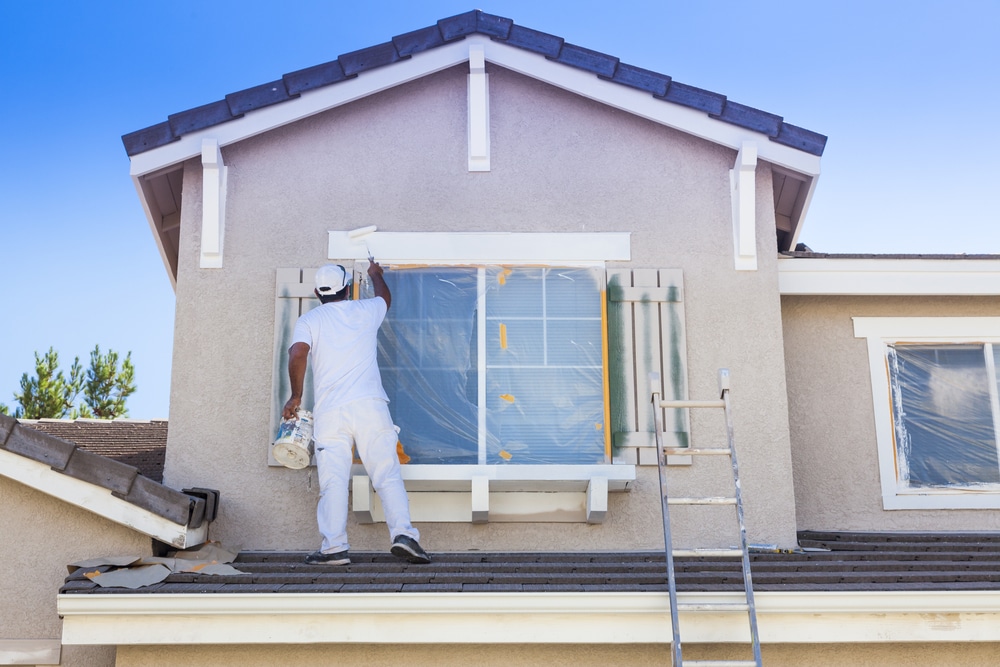 Covington · St. Tammany Parish
What you get
The same four things on every Covington job, whether the house is off Boston Street or out past the river.
We walk the property, then put scope, preparation, product and price in one document.
Washing, scraping, filling and priming are line items, not favors done if there is time.
Covered in Louisiana, on homes and on commercial property, and we will show you the paper.
Beds and floors covered, paths swept, and the drop sheets leave with us.
Why people call
Six reasons owners on the north shore call us, most of them about old wood under a heavy oak canopy.
The District of St. John, the original part of town, is largely late nineteenth and early twentieth century. That wood needs preparing rather than covering.
The Tree Board counsels the city on the live oak canopy. A wall that never gets direct sun grows mildew that has to come off before paint goes on.
The Historic District Commission reviews construction, material alteration, demolition and relocation, and consults on a change of color, so we check the scope early.
The National Weather Service gauges the Bogue Falaya at Boston Street, where action stage is 5.0 feet and minor flood stage is 6.0 feet. Properties near the river have been wet before.
The historic business area carries brick pilasters, arch lintels, molded cornices and pressed tin facades. Each takes a different primer.
Cabinet work in a period house is usually solid and worth refinishing rather than replacing.
What we paint
Six residential services and five for commercial painting, available anywhere in Covington, historic district included.
Walls, ceilings, trim and doors, painted room by room.
Siding, trim and porches, washed and primed before the finish.
Doors off, degreased and primed, then refitted where they came from.
The painting side of a remodel, sequenced around the other trades.
Siding, driveways and patios, at a pressure the surface can take.
Commercial work runs on the same footprint, phased around your opening hours.
Color and finish chosen around your brand, applied after hours so desks stay in use.
Hard-wearing coatings for high-traffic walls, floors and locker areas.
Low-odor systems and calm palettes for clinical and patient-facing spaces.
Scheduled into term breaks so classrooms come back ready to use.
Facades, walkways and parking lots washed down before any coating goes on.
On the job
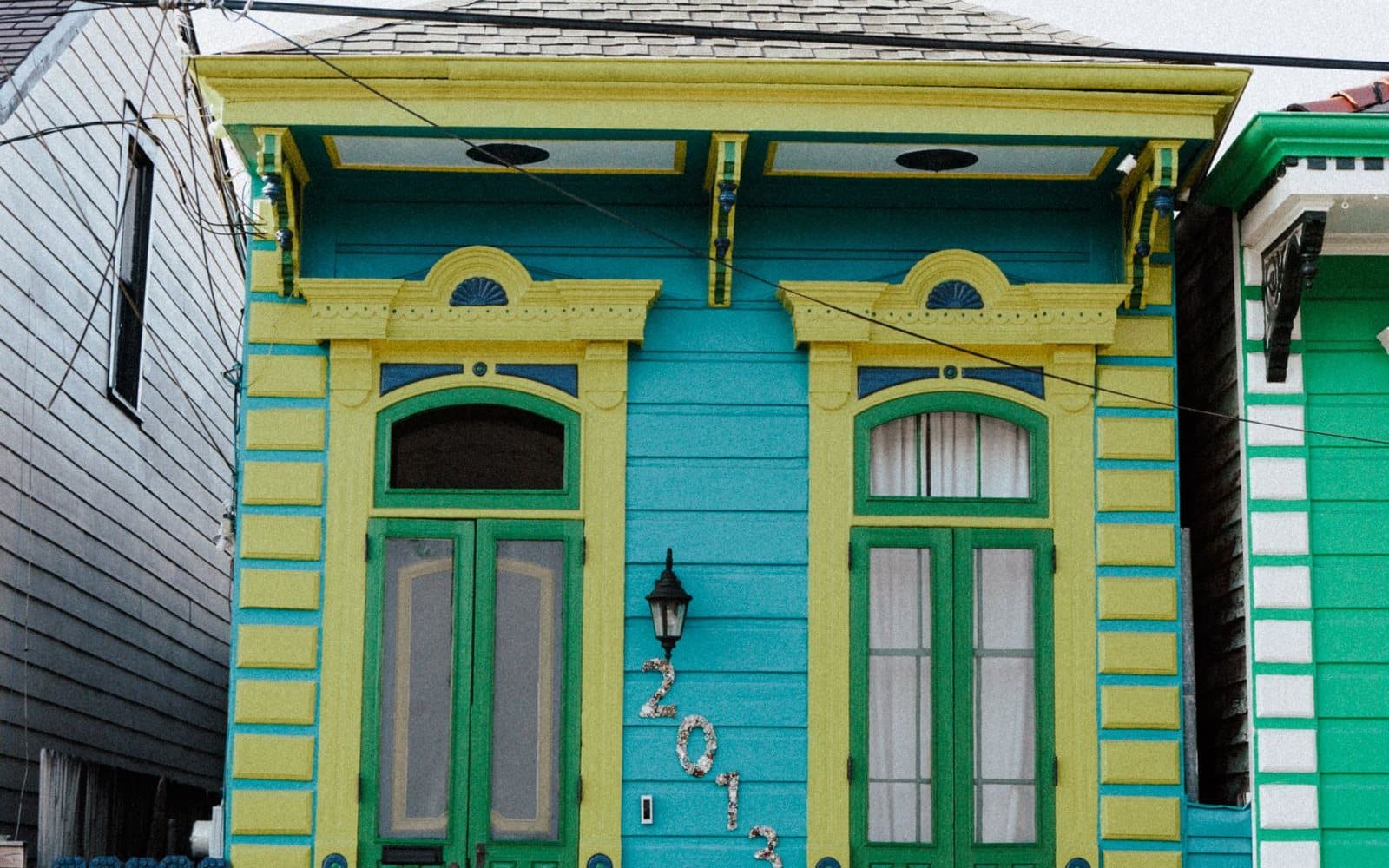
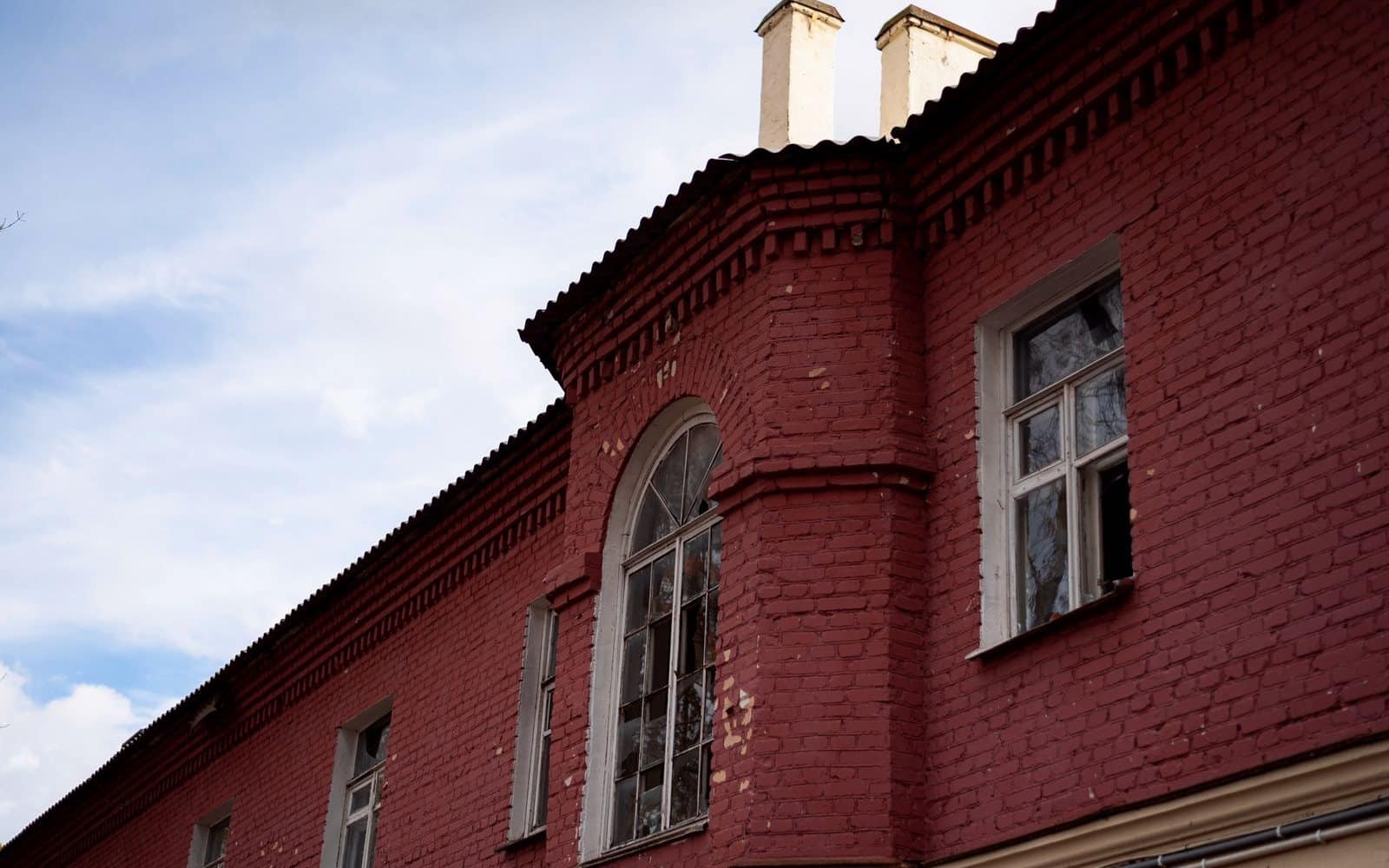
Period wood, masonry and the color work that a historic district asks about first.

On the ground
Three things about Covington that change the scope before the price.
Construction, material alteration, demolition or relocation inside the Historic District goes before the Covington Historic District Commission, which issues the Certificate of Appropriateness. A repaint alone is not on that list. We check it at the walk-through, not after.
Brick, wood, molded cornices and pressed tin can all appear on one elevation here, and the estimate names the product going on each.
Homes built before 1978 may contain lead paint, and the EPA Renovation, Repair and Painting Rule sets how those surfaces are disturbed.
When to book
Four signs a north shore exterior is ready for work.
Under a closed canopy, the north elevation goes first, and washing is what makes the new coat stick.
Push a thumb into the bottom of a window sill. If it gives, the repair comes before the primer.
Sheet failure on old wood means the layers underneath have let go, and they have to come back to a sound edge.
Rust on a pressed tin facade or a metal cornice spreads under paint until the metal itself is treated.
Local
Four reasons the north shore is easier to serve from inside the parishes.
Crews working these parishes year round know what humidity and wind-driven rain do to a coat.
The people who walk the property are the people on the ladder, not a call center.
We are close enough that snagging something after the job is a short drive, not a claim.
504-380-9862 reaches the people doing the work, 9:00 am to 6:00 pm.
How it runs
Four steps, and where a district property does need commission review it sits between steps two and three.
Call or send the form. We agree a time and confirm it before we come.
We look at the actual surfaces, inside or out, and note what needs repair.
Scope, preparation, product and price, in writing. No verbal numbers.
Washing, repairs and priming first, then the finish coats.
Planning
Three things to settle before we start in Covington.
A repaint in the Historic District does not by itself need a Certificate of Appropriateness, though the commission does consult on a change of color. We will tell you what it is likely to want to see.
Overhanging limbs keep a wall wet and make access awkward. Pruning on your own property happens before the wash, and the Tree Board advises the city on public trees.
Wood, brick and tin on one elevation do not take the same primer, and the estimate should say which goes where.
About the area
What Covington is, according to the city and the state encyclopedia.
Covington was established on July 4, 1813 as the Town of Wharton by John Wharton Collins, who had acquired 1,600 arpents on the east bank of the Bogue Falaya. The state renamed it in 1816 for General Leonard Covington, who died in battle in the War of 1812.
Covington formed at the confluence of the Tchefuncte and Bogue Falaya Rivers. The Louisiana state encyclopedia notes that crossroads and confluences made particularly attractive city sites.
The St. Tammany Parish Justice Center stands at 701 North Columbia Street in Covington. Divisions of the 22nd Judicial District Court, bond court and the Clerk of Court sit there.
Around town
Four places in and around Covington, from the market to the Trace.
At 419 North New Hampshire Street, the trailhead is built as a replica railroad station with a covered platform, clock tower, bandstand, visitor center and a small movie theater. The Tammany Trace begins here.
The market runs Saturdays from 8:00 a.m. to 12:00 p.m. at Covington City Hall, 609 North Columbia Street. It also runs Wednesdays from 10:00 a.m. to 2:00 p.m. at the Covington Trailhead on North New Hampshire Street.
This city park sits at 213 Park Drive on the Bogue Falaya River. A paddler's launch for kayaks and canoes is located at the park.
The store at 308 North Columbia Street has operated since 1876 and keeps a museum on site. The city lists it as open Monday, Tuesday, Thursday and Friday from 8:30 a.m. to 5:00 p.m., with shorter hours Wednesday and Saturday.
Next door
The towns closest to Covington, and what sits between them.
The Abita Springs trailhead on the Tammany Trace sits 3.55 miles from the Covington trailhead. It occupies the 1911 bachelor quarters of the town's old Longbranch Hotel, now a history museum and visitor center.
Mandeville was founded in 1834 on part of the former sugar plantation of Bernard de Marigny de Mandeville, on the north shore of Lake Pontchartrain. It later became the northern terminus of the Causeway, which opened in 1956.
Madisonville sits beside the Tchefuncte River, just two miles above its entrance into Lake Pontchartrain. It grew as a nineteenth century resort and shipbuilding town and now centers on recreational boating.
We drive New Orleans and nine parish cities for a free walk-through. Tell us the address and we will say plainly whether yours is inside it.
Worth knowing
Four things about Covington worth knowing.
The original town plan gave each square block a central plot of 120 by 120 feet set aside for public use. These interiors became known as ox lots because farmers and draymen hauling produce, bricks, lumber, tar, pitch and charcoal sheltered their ox teams and carts there.
St. Tammany Parish acquired the abandoned Illinois Central Railroad corridor on December 20, 1992. The 31 mile asphalt Tammany Trace now runs from downtown Covington through Abita Springs, Mandeville and Lacombe and ends in Slidell.
Saint Joseph Abbey is a Benedictine community of monks on 1,100 acres of pine forest in Saint Benedict, near Covington. It has been there since 1889 and runs Saint Joseph Seminary College.
In 1946 the Benedictine artist Dom Gregory de Wit began work on large scale, brilliantly colored murals for St. Joseph Abbey near Covington.
Getting around
How people get around here, and what stands in for a city bus.
St. Tammany Area Transportation is a demand response transit system operating within the boundaries of St. Tammany Parish, providing curb to curb rides rather than fixed routes. The parish also reports nine operational park and ride lots.
The bridge spans 24 miles over Lake Pontchartrain and is billed as the longest bridge in the world over water. It can be reached from both the north and south shores, and the Greater New Orleans Expressway Commission operates it.
State highway project records place the US 190 interchange on Interstate 12 near Covington in St. Tammany Parish. Interstate 12 runs from the LA 1077 interchange eastward to that US 190 interchange.
The parish operated general aviation field carries the identifier L31 and is listed as 6 miles southeast of Covington. Its runway measures 2,999 by 75 feet.
Service areas
The eight other parish cities on our list, and New Orleans itself.
Inside New Orleans itself we work across the Garden District, Uptown, Carrollton, Mid-City, Lakeview, Gentilly, Bywater, Marigny, Treme, the Irish Channel and Algiers, on everything from Creole cottages and shotgun doubles to new-build and commercial property.
Questions
What Covington homeowners ask first.
Yes, anywhere in the city, inside and out. Interior rooms, exterior elevations, decks and cabinets are all part of the work.
Usually not for paint alone. The commission issues Certificates of Appropriateness for construction, material alteration, demolition or relocation, and consults on a change of color. Ask the city to confirm for your property, and we work to whatever it requires.
Shade and damp. Under a live oak canopy, that elevation dries slowly, so it needs washing properly rather than painting over.
Yes, once the failing layers are scraped and sanded back to a sound edge and primed. A finish laid over lifting paint fails with it.
Yes. Both are inside the area we drive for a free written estimate, along with Mandeville.
Yes. We walk the property, look at the actual surfaces, and put scope, preparation, product and price in writing, with no obligation to book.
Yes, in Louisiana, and the cover applies to commercial jobs as well as homes. Ask us for proof before you sign anything.
9:00 am to 6:00 pm. Calling on 504-380-9862 is the quickest way to get a walk-through booked, and the form reaches us outside those hours.
Free estimate
Send the form and we will call to arrange a walk-through. If you would rather talk it through now, the phone is quicker.
We call to agree a time that suits you, and confirm it before the visit.
We walk the property, look at the actual surfaces and talk through color.
You get scope, preparation, product and price in writing, with no obligation.
Serving New Orleans, Metairie, Kenner, Covington, Mandeville, Madisonville, Abita Springs, Hammond, LaPlace and St Rose.
Request Your Free Estimate
Loading the estimate form. If it does not appear, call 504-380-9862.


