Short answer: New Orleans’ humidity, averaging around 74% relative humidity, slows paint curing, traps moisture behind the film, and accelerates peeling, blistering, and mildew. A professional exterior paint job done with proper prep, the right primer, two full coats of 100% acrylic, and application within the correct humidity window (ideally below 70% RH) should last 8 to 12 years on Gulf Coast homes.
Key Takeaways
Louisiana averages about 74% relative humidity, one of the highest in the country.
Most exterior acrylics apply best below 70% RH, with a hard ceiling of 85%.
The top humidity-driven failures are peeling, mildew, blistering, and chalking.
Late fall (Oct–Dec) and early spring (Feb–Apr) give the most stable painting windows.
A proper job lasts 8–12 years on hardie/wood and 15+ years on well-maintained stucco; cheap jobs fail in 2–4.
If you’ve ever watched a fresh coat of exterior paint peel off your siding two summers after it went on, you already know New Orleans is tough on paint. Between the Gulf humidity, afternoon thunderstorms, and long stretches of punishing heat, an exterior that would last a decade in Denver might barely make it to its third birthday here. Louisiana consistently ranks among the top three most humid states in the country, with average relative humidity hovering around 74%. That single number explains a lot of the complaints homeowners have about blistering, mildew stains, and early fading.
At Big Easy Painters, we paint homes that are meant to stand up to this climate, not a stock brochure climate. Here’s what humidity actually does to exterior paint, why most DIY jobs fail within a few years, and how the right crew sets up a finish that still looks sharp after the next hurricane season.
Why Humidity Is the #1 Enemy of Exterior Paint
Paint dries in two phases. First, the water or solvent evaporates. Second, the resin cures and cross-links into a hard, flexible film. Humidity interferes with both.
When the air is already saturated with moisture, water in the paint has nowhere to go. Drying slows, sometimes to a crawl. If the temperature drops or rain moves in before the film sets, you end up with surfactant leaching (those ugly brown streaks), blushing, soft spots, or a finish that never fully hardens.
Worse, if there’s any moisture trapped inside the wood or behind the siding when you paint, that vapor will push outward through the fresh film and pop it right off the house.
Common humidity-driven paint failures in New Orleans include:
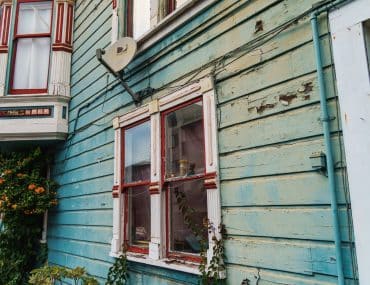
Peeling and flaking on south- and west-facing walls that bake in the afternoon sun after a humid morning.
Mildew bloom, those gray, green, or black patches that look like dirt but wipe off with bleach.
Blistering where moisture has gotten trapped between the paint and the substrate.
Chalking and fading from UV exposure accelerating in hot, humid conditions.
Caulk failure around windows, trim, and fascia as joints swell and contract.
None of these are “bad paint” problems. They’re process problems. And they’re fixable.
The Humidity Window: When Pros Actually Paint
Paint manufacturers like Sherwin-Williams and Benjamin Moore publish application specs for a reason. Most high-quality exterior acrylics want to go on when:
Air temperature is between 50°F and 90°F
Surface temperature is within the same range (not the same thing, dark siding in direct sun can hit 130°F)
Relative humidity is below 85%, ideally under 70%
No rain is forecast for at least 24 hours after application
In New Orleans, that window is narrower than people think. Summer afternoons routinely push humidity above 85% even when it’s not raining. A “dry” August morning can be 92% RH at sunrise. That’s why our crews plan around the weather instead of the calendar, starting early, stopping before the afternoon storms, and watching the dew point, not just the forecast.
We love painting houses in late fall and early spring for a reason. October through early December and February through April tend to give us the most stable humidity, the mildest temperatures, and the longest dry stretches. If you’ve been putting off an exterior refresh, the next few weeks are a legitimately great time to book it.
How the Pros Prep an Exterior for New Orleans Weather
Prep is where 80% of the lifespan of an exterior paint job is decided. It’s also where almost every shortcut gets taken. Here’s what the process should look like on a home that’s going to hold up.
1. Deep clean and mildew treatment
Every exterior surface gets a thorough wash, typically soft-washing with a mildewcide solution rather than blasting with a pressure washer. High-pressure water can drive moisture deep into siding and trim, which is the opposite of what you want before painting. A proper wash kills existing mold and mildew spores so they don’t grow back under the new coat.
2. Scrape, sand, and spot-prime
Loose and failing paint is scraped back to a sound edge and feathered smooth. Bare wood gets a penetrating oil- or alkyd-based primer that seals the grain and blocks tannin bleed, critical on cypress, cedar, and old-growth pine found on historic New Orleans homes.
3. Repair the water intrusion points
Paint will not save rotten wood. Damaged siding boards, soft trim, and cracked fascia get replaced before any color goes on. We also re-caulk window and door frames with a high-grade urethane or siloxane sealant that stays flexible through Louisiana’s freeze-thaw swings (yes, we have them, they’re just small and mean).
4. Use the right primer for the substrate
Stucco, hardie board, cypress, and brick all want different primers. There is no “one size fits all.” Alkali-resistant primers for stucco. Stain-blocking primers for redwood and cedar. Bonding primers for chalky or previously painted surfaces. Skipping this step is why so many repaint jobs peel within two years.
5. Apply two full coats of a premium exterior acrylic
On a New Orleans exterior, we specify 100% acrylic latex with high resin content and strong mildew inhibitors built into the formula. Two full coats at the manufacturer’s recommended mil thickness, not one thick coat, not a “coat and a half.” Thin coats dry evenly and cure correctly. Thick coats trap moisture and fail early.
The Best Exterior Paints for New Orleans Homes
Not all paint is created equal, and the “premium” line from every major brand is usually worth the extra $25 a gallon. For most projects, we reach for options in the Sherwin-Williams Duration or Emerald Rain Refresh families, Benjamin Moore Aura Exterior, or Behr Marquee, all of which handle humidity and UV better than contractor-grade products.
For homes that get a lot of mildew pressure (think shaded north-facing walls, homes near the river, or anything under heavy tree cover), we’ll often use a product with added zinc-based mildewcide and recommend an annual soft wash to keep the finish looking fresh.
What This Means for Your Paint Job Lasting 10+ Years
Here’s the honest version. A cheap exterior paint job in New Orleans, minimal prep, bargain paint, applied in the wrong conditions, will start failing in 2 to 4 years. A proper job, with real prep, the right products, and the right weather window, should last 8 to 12 years on hardie and quality wood siding, and 15+ on well-maintained stucco.
The difference isn’t magic. It’s process.
If your home is due for an exterior refresh, or if you’re seeing peeling, mildew, or chalking that shouldn’t be there yet, we’re happy to take a look. Big Easy Painters handles everything from residential exterior painting to deck painting to commercial and office painting across Greater New Orleans, Metairie, Kenner, and the surrounding parishes.
Request a free quote or call us directly and we’ll walk the property with you, tell you what we see, and build a scope that actually fits the house you live in.
Frequently Asked Questions
What humidity level is too high to paint outside?
Most exterior acrylic paints can be applied up to about 85% relative humidity, but the finish quality improves significantly when RH stays below 70%. In New Orleans, that usually means painting in the morning, stopping before afternoon storms roll in, and avoiding the peak summer months when possible.
Can you paint the outside of a house in the summer in New Orleans?
Yes, but it takes planning. Crews need to start early, finish each section before the humidity spikes, and watch the radar closely. We also avoid painting walls in direct afternoon sun, because the paint skins over too quickly and traps solvents underneath.
Why does my New Orleans home’s paint keep peeling?
The three most common culprits are moisture trapped in the substrate, poor surface prep before the last paint job, and low-grade paint that wasn’t rated for Gulf Coast humidity. Any of those alone will cause failure. Together, they guarantee it.
How often should I repaint the exterior of my New Orleans house?
With a professional job and quality materials, most exteriors in the New Orleans area need a repaint every 8 to 12 years. Homes with heavy sun exposure, dense tree cover, or older wood siding may need touch-ups or full recoats sooner.
What’s the best time of year to paint an exterior in New Orleans?
Late fall (October through early December) and early spring (February through April) are ideal. Temperatures are moderate, humidity is more stable, and there are longer stretches of dry weather.
Does humidity affect interior painting too?
Yes, but much less dramatically. Interior paint dries in a controlled climate, so the biggest humidity-related issues are longer dry times and occasional odor retention. Running the A/C or a dehumidifier during and after painting solves most of it.
Choosing the best paint for your kitchen cabinets can make all the difference in transforming your space and ensuring it stands the test of time. At Big Easy Painters, we understand that a well-sel...
Choosing between paint and stain for a New Orleans deck comes down to how much moisture protection, UV resistance, and upkeep you can commit to. Paint forms a thick surface film that blocks sun and...
Choosing the right interior paint color in New Orleans requires understanding how intense sunlight, humidity, and historic architecture influence color perception. Testing samples under real lighti...
A lot of that magic lies in choosing the right paint finish. It’s not just about the color; your paint's finish can dramatically affect your space's ambiance and durability. Whether it’s the gloss ...
Most New Orleans homes need exterior repainting every 4 to 8 years, though the exact timing depends on siding material, sun exposure, and how well the last paint job was prepped. Wood trim wears fa...


 By Admin
  Apr 5, 2026
 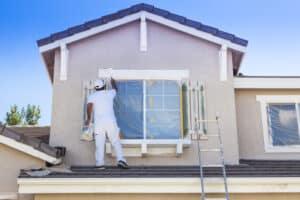 Paint dries in two phases. First, the water or solvent evaporates. Second, the resin cures and cross-links into a hard, flexible film. Humidity interferes with both.