Removing wallpaper before painting means softening the adhesive, peeling the paper in sections, and washing every trace of glue off the wall before primer touches it. Steaming and warm water with a wallpaper removal solution are the two reliable softening methods. In New Orleans, humidity slows the drying stage, so walls need extra time to fully dry before priming, and any drywall damage from removal gets patched first.
Wallpaper looks like a weekend job right up until the first strip tears off in a two-inch piece. Then it becomes a scraping project, and the wall underneath usually has opinions of its own.
The good news is that removal follows a predictable order, and most of the frustration comes from skipping a step rather than from the paper itself. At Big Easy Painters, we take wallpaper off New Orleans walls year round and know exactly where the job usually goes sideways.
Here is what the process actually involves, what the wall looks like afterward, and where the shortcut everyone asks about falls apart. Contact us today to have a wallpapered room looked at before you buy a single tool.
What Actually Makes Wallpaper Hard to Get Off?
Not all wallpaper fights back the same way. What you are dealing with depends on how the paper was made and what went on the wall before it.
The Type of Wallpaper on the Wall
Strippable wallpaper is the friendly kind. Lift a corner, pull steadily, and the whole sheet comes away in one piece with almost nothing left behind.
Peelable paper gives up its top layer but leaves a paper backing glued to the wall. That backing still has to come off, which means you are essentially doing the job twice.
Traditional and vinyl-coated papers are the stubborn ones. Vinyl in particular resists water, so the softening step cannot reach the glue until the surface has been scored.
What the Wall Was Primed With (Or Wasn’t)
A wall that got a proper primer coat before papering releases the paper cleanly. The adhesive bonds to the primer, not to the drywall face, and it comes off in sheets.
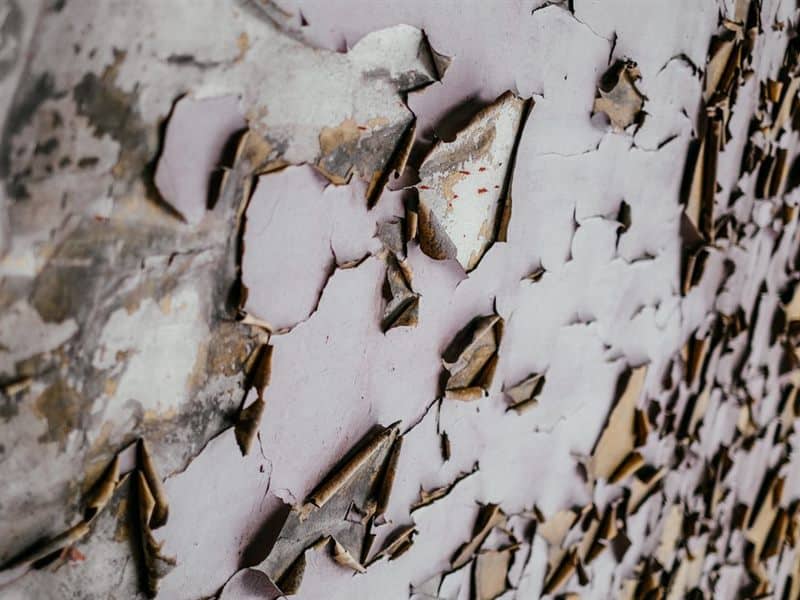
Unprimed drywall is a different story. The glue soaks straight into the paper facing of the board, so pulling the paper pulls the drywall surface with it.
That single detail explains most horror stories about wallpaper removal. The glue has bonded to the drywall surface itself, so the paper and the wall face come off together.
How Many Layers Are Up There
Older New Orleans homes often carry multiple layers of wallpaper stacked on top of each other. Each layer was applied over the last, and each one softens at a different rate.
You will usually discover this halfway through the first wall. A patch that looked finished reveals another pattern underneath it.
In older homes the bottom layer may be sitting on plaster rather than drywall, which changes how much moisture the wall can safely take. That is worth knowing before a steamer comes anywhere near it.
Layers are worth knowing about before you start, because they change the time estimate considerably. Peek at a seam near an outlet cover to see what you are working with.
Okay, So How Do You Actually Remove Wallpaper Before Painting?
The sequence matters more than the tools. Every method comes down to the same three moves: open the surface, soften the glue, then remove the paper without gouging the wall.
Prep the Room First
Move furniture out, cover the floor, and shut off power to outlets and switches on the wall you are working on. Wet removal and live electrical do not belong in the same room.
Tape plastic along the baseboards to catch runoff. Wallpaper glue is sticky when wet and considerably harder to deal with once it dries on the trim.
Have a trash bag open and ready before you start pulling. Wet paper gets heavy and messy fast, and a pile on the floor turns into a second cleanup job.
Score the Surface When It Resists Water
If the paper sheds water, it needs scoring. A scoring tool rolled over the surface opens small perforations that let moisture reach the adhesive underneath.
Use light pressure and keep the tool moving. Pressing hard drives the points through the paper and into the drywall, which creates dozens of small repairs later.
Work in overlapping passes across the whole area instead of concentrating on one patch. A missed spot will still shed the softener later and hold up the rest of the wall.
Skip scoring entirely on strippable paper. Making holes in something that would have come off cleanly only creates work.
Soften With a Steamer or Wallpaper Removal Solution
Steam is the faster route on heavy or multi-layer paper. A steamer plate held against the wall for a slow count opens the adhesive, and the paper releases with a putty knife.
Warm water with a wallpaper removal solution works well on lighter paper. Apply it, let it sit until the surface darkens, and reapply rather than scrubbing at a dry spot.
Whichever route you take, work in small sections. Softened glue starts setting again within minutes, so covering an entire wall at once just means starting over.
Peel at an Angle, Not Straight Out
Pull from a bottom corner at a shallow angle along the wall. Straight-out pulling concentrates force on one spot and tears both the paper and the surface under it.
A wide putty knife helps at stuck seams. Keep the blade almost flat so it slides under the paper rather than digging into the wall.
If a section stops moving, stop with it and resoften instead of forcing the blade. Paper that fights back is usually telling you the glue behind it has already set again.
Our interior painting crews favor a wide blade for exactly this reason, since a broader edge spreads the pressure and leaves fewer gouges to patch.
The Wall Underneath (This Is the Part People Skip)
Getting the paper off is only half the job. What is left on the wall decides whether the paint holds or fails later.
Wallpaper adhesive residue is the biggest culprit, because leftover paste will not accept paint properly and can leave the new finish discolored or peeling. Dried glue is easy to miss, so the wall gets washed with warm water and a sponge, and any patch that still feels slick under a wet hand needs another pass.
Then come the repairs. Torn drywall facing gets sealed with an oil-based or shellac primer so the exposed paper does not swell, gouges get filled, and larger damaged areas get a thin skim coat before sanding smooth. On kitchen remodeling projects, this stage often takes longer than the removal did.
What About Just Painting Over Wallpaper?
Real talk: it is possible, and it is almost never the right call. Paint over wallpaper and you are betting that the glue behind it will hold forever.
Moisture is what breaks that bet. Latex paint puts water on the paper, the adhesive softens, and seams start lifting or bubbling once the wall dries unevenly.
There is a narrow exception. If the paper is fully adhered with no loose seams, and removal would destroy the plaster underneath in a historic home, sealing it with a shellac-based primer before painting can be the lesser risk. That is a judgment call for someone standing in the room, not a general rule.
The Bottom Line on Wallpaper Removal in New Orleans
Wallpaper removal is straightforward when it goes in order and expensive when it does not. Soften properly, peel gently, wash the glue off completely, and repair before you prime.
At Big Easy Painters, we handle removal, wall repair, and the repaint as one job so nothing gets handed off half-finished. Call us today to get a walkthrough and a written scope for your wallpapered rooms.
Frequently Asked Questions
What is the easiest way to remove wallpaper?
The easiest route is softening the adhesive first, either with a steamer or with warm water and a wallpaper removal solution, then peeling the paper at a shallow angle with a wide putty knife. Strippable paper often comes off dry in full sheets, so always test a corner before wetting anything.
Does fabric softener really remove wallpaper?
A warm water and fabric softener mix does soften some wallpaper adhesives, and it is a common household approach for lighter paper. It works less reliably on vinyl or multi-layer paper, where a proper wallpaper removal solution or a steamer does the job faster with less repeat application.
How long does it take to remove wallpaper from one room?
A single room with strippable paper on a primed wall can go quickly, often in one session, while multi-layer paper on unprimed drywall can stretch across several sessions once repairs are counted. Paper type, layer count, and the original priming are what decide where a given room lands.
Do you have to prime the wall after removing wallpaper?
Yes. Primer seals any exposed drywall facing, blocks leftover adhesive from bleeding through, and gives the new paint a consistent surface to grip. A shellac-based or oil-based primer is the usual choice where the drywall paper was torn during removal.
What do you do if the drywall tears during removal?
Stop pulling in that spot and seal the torn area with a shellac-based or oil-based primer once the wall is dry. Sealing keeps the exposed paper from swelling, and the area can then be filled, skim coated if needed, and sanded flush before painting.
Can you paint directly over wallpaper?
You can, but the adhesive underneath stays vulnerable to moisture, and seams commonly lift or bubble once latex paint is applied. The narrow exception is fully adhered paper on fragile historic plaster, where removal risks more damage than sealing it with a shellac-based primer would.
How do you tell if wallpaper is vinyl or paper?
Press a damp sponge on a small area and wait a minute. Paper darkens and absorbs the water, while vinyl beads it up and stays dry, which is the signal that the surface needs scoring before any softening method will reach the glue.
Does humidity affect wallpaper removal?
Humidity mostly affects what happens after removal, because washed walls take longer to dry fully in a humid climate. Priming a wall that still holds moisture can trap it under the coating, so allow extra drying time and run air movement before the primer goes on.
To achieve a flawless paint job, it's essential to spend some time prepping your walls. This includes cleaning, repairing any damage, and applying a primer. Taking these steps will not only ensure ...
The world of interior design is constantly evolving, and each year brings new trends and styles. As we approach 2023, it's time to start thinking about the hottest interior paint colors that wi...
Almost 80% of the homeowners feel painting is a DIY task, while half of them end up hiring a professional halfway into the process. Painting is about quality, time, effort, and cost.
Big Easy Pa...
If you own a home in New Orleans, you know the city's climate does not go easy on exterior paint. Summer heat, high humidity, heavy rain, and intense UV exposure all work against your home's finish...
Choosing the best paint for your kitchen cabinets can make all the difference in transforming your space and ensuring it stands the test of time. At Big Easy Painters, we understand that a well-sel...


 By Admin
  Aug 20, 2026